Monday - Friday 07:30 - 17:30, Saturday 07:30 - 16:00
Floor Sanding and Restoration in Islington, N1
Back to Portfolio
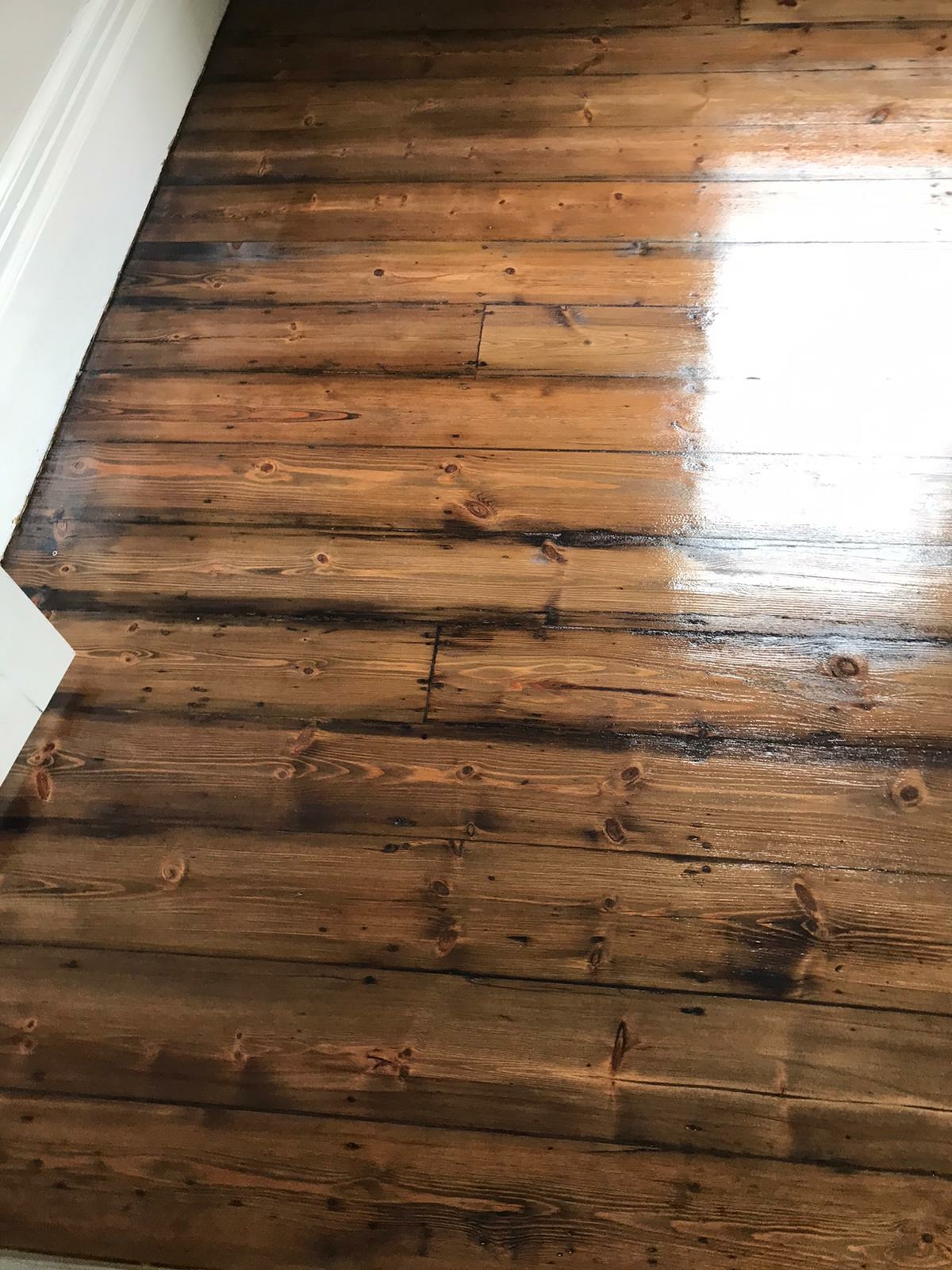
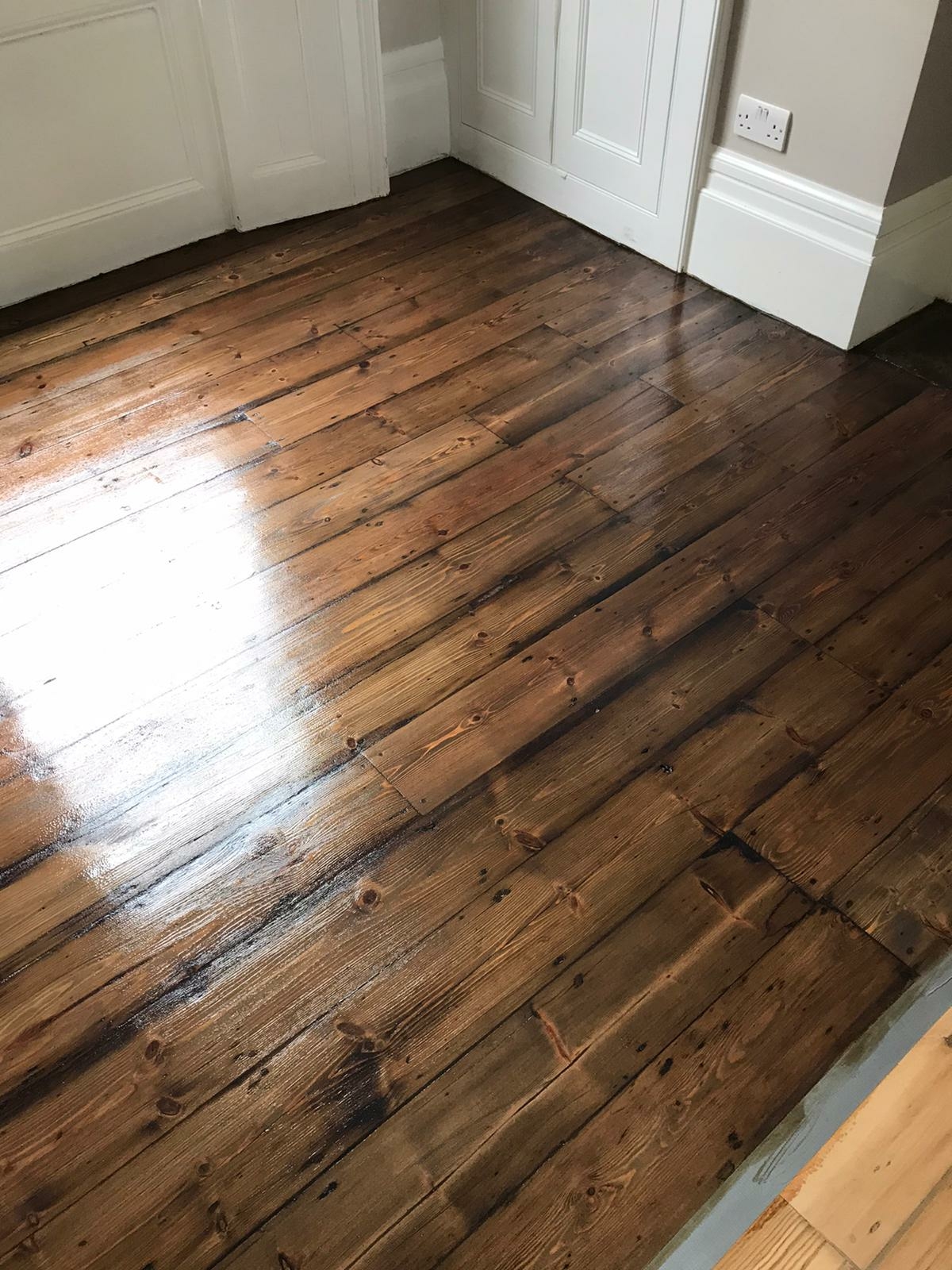
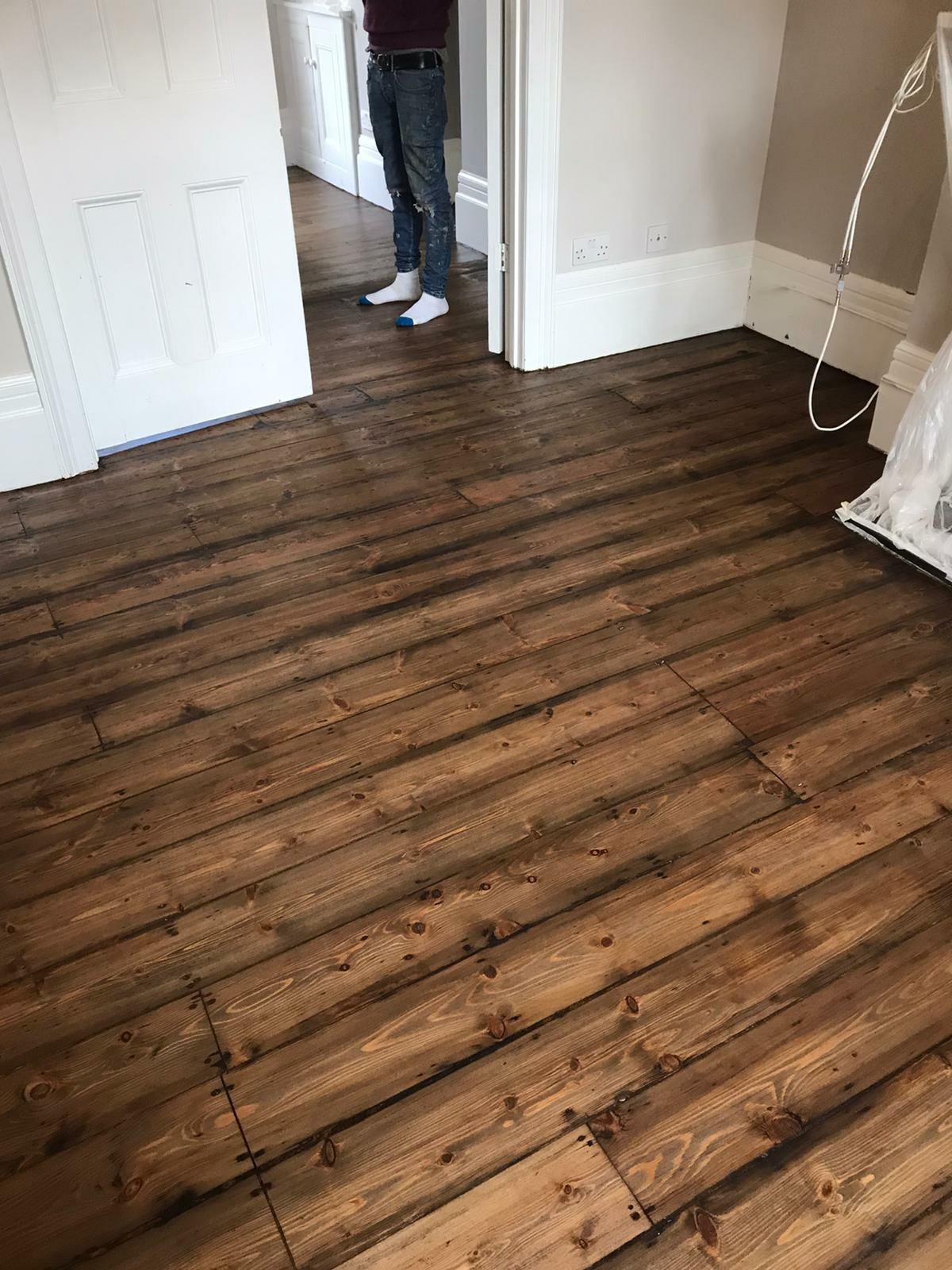
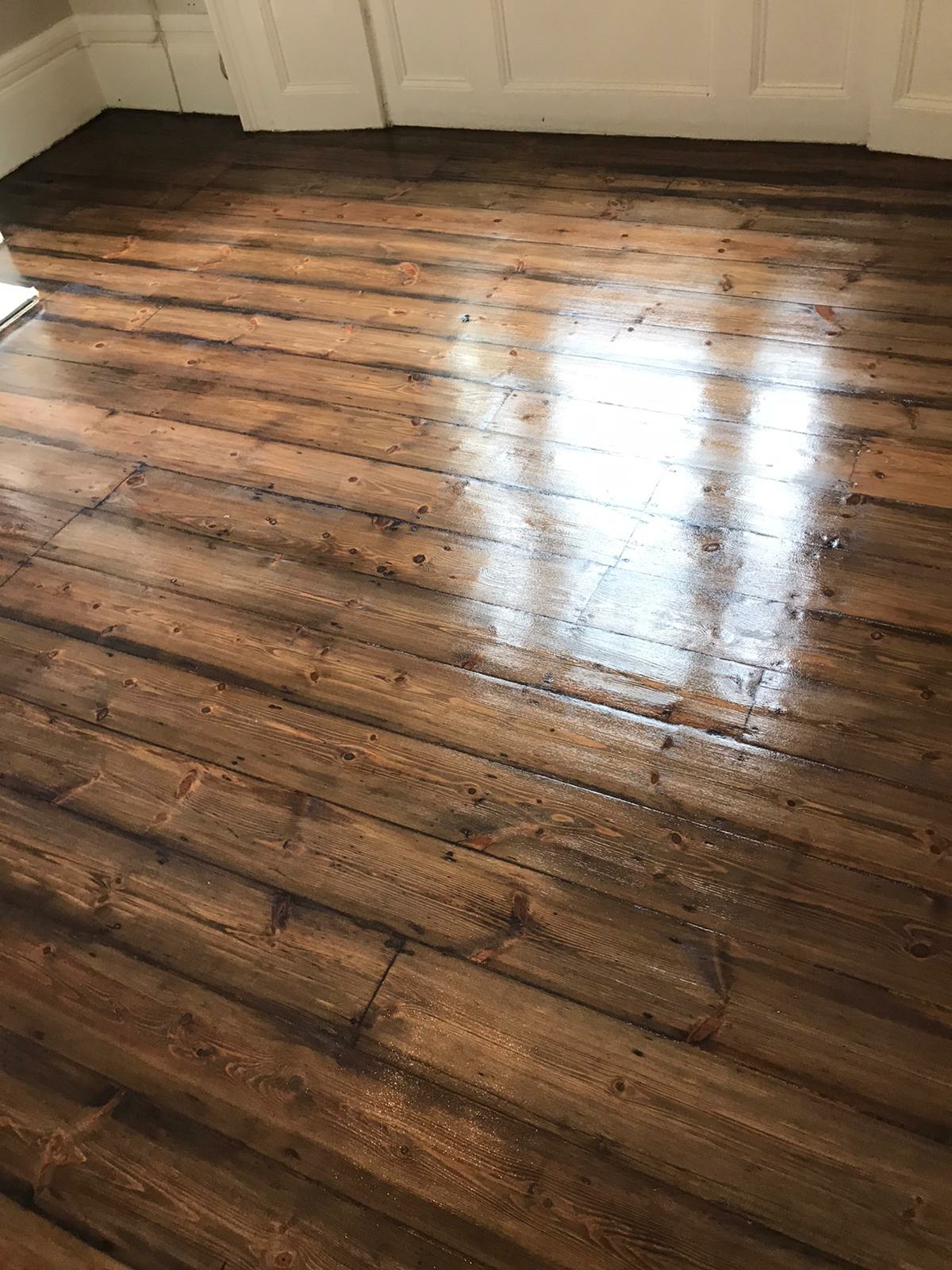
Floor Sanding and Restoration in Islington, N1
We recently completed a full floor sanding project on a period Victorian property in N1, restoring a worn parquet floor to its original finish. The owner had lived with dark, scratched timber for years and wanted to bring back the warmth of the wood without replacing it entirely. Over the course of two weeks, we sanded, sealed, and finished the floors throughout the ground floor, delivering a result that transformed the entire character of the space.
Work carried out
- Multi-stage sanding using 40, 80, and 120-grit belts
- Dust containment and extraction throughout the process
- Filling of small gaps and damaged areas with matching timber filler
- Two coats of water-based satin polyurethane seal
- Final hand sanding between coats
- Edge work and corner finishing with portable equipment
About the project
The floor had clearly been heavily used over several decades. Surface stains from water damage, scattered deep scratches, and uneven wear patterns meant we couldn't simply buff and seal. The parquet blocks themselves were solid underneath, though, which made sanding the right choice. We started with 40-grit paper to cut through the old finish and level any cupping in the boards. The Victorian substructure meant some boards had shifted slightly, creating minor height variations we needed to address. We then progressed through 80-grit and finished with 120-grit to create a smooth, uniform surface ready for sealing.
The main challenge was managing dust in a lived-in property. We set up a dust containment system using sheeting and negative air pressure, which kept the mess confined to the work areas. This approach meant the client could still access other parts of the house and the kitchen remained usable. We worked methodically, completing one room at a time, and always finished with a full vacuum and wipe-down before moving to the next space. The water-based seal we chose dries faster than traditional polyurethane, so the floor was walkable within 24 hours of the final coat.
About our N1 service
N1 covers a mix of property ages, from Victorian and Edwardian terraces and conversion flats through to more modern apartment buildings. We work regularly across the area, from Angel down to Old Street and across to Dalston. The Victorian and Edwardian stock makes up a significant portion of what we see, and many of these properties have original timber floors buried under carpet or sealed with old finishes that have failed. Parquet, strip boards, and block flooring are all common in these older properties, and they respond extremely well to proper sanding and finishing work.
Newer builds in N1 tend to have either engineered timber or laminate, and while we focus on solid timber sanding, understanding the different floor types across the area helps us advise clients on the right approach for their property. The character of the area means many owners want to restore rather than replace, particularly in Victorian conversions where original features carry real value. This project was typical of what we encounter, a solid floor with good bones that just needed professional attention to bring it back to life.
Frequently asked questions
How much does floor sanding cost?
Sanding costs typically fall between 25 and 45 pounds per square metre, depending on the floor condition, the number of sanding stages needed, and access. Heavily damaged floors or awkward layouts may require more time and careful work, which affects the price. We provide a detailed quote after visiting the property and assessing the floor.
How long does sanding take?
A typical project takes between two to four weeks from start to finish, accounting for sanding, gap filling, sealing with multiple coats, and drying time between stages. The actual sanding work itself moves faster, but rushing the sealing or skipping drying time between coats compromises the final finish. We factor in realistic timings so the job is done properly.
Is the sanding process dusty?
We use dust extraction systems that capture the vast majority of particles at source, but some fine dust inevitably disperses into the air. Our containment methods keep it localised to the work area. If dust control is a significant concern, we can discuss additional measures like temporary air filtration units, which add to the cost but provide extra protection for the rest of your home.
Project Gallery