Monday - Friday 07:30 - 17:30, Saturday 07:30 - 16:00
Floor Sanding in Islington
Back to Portfolio
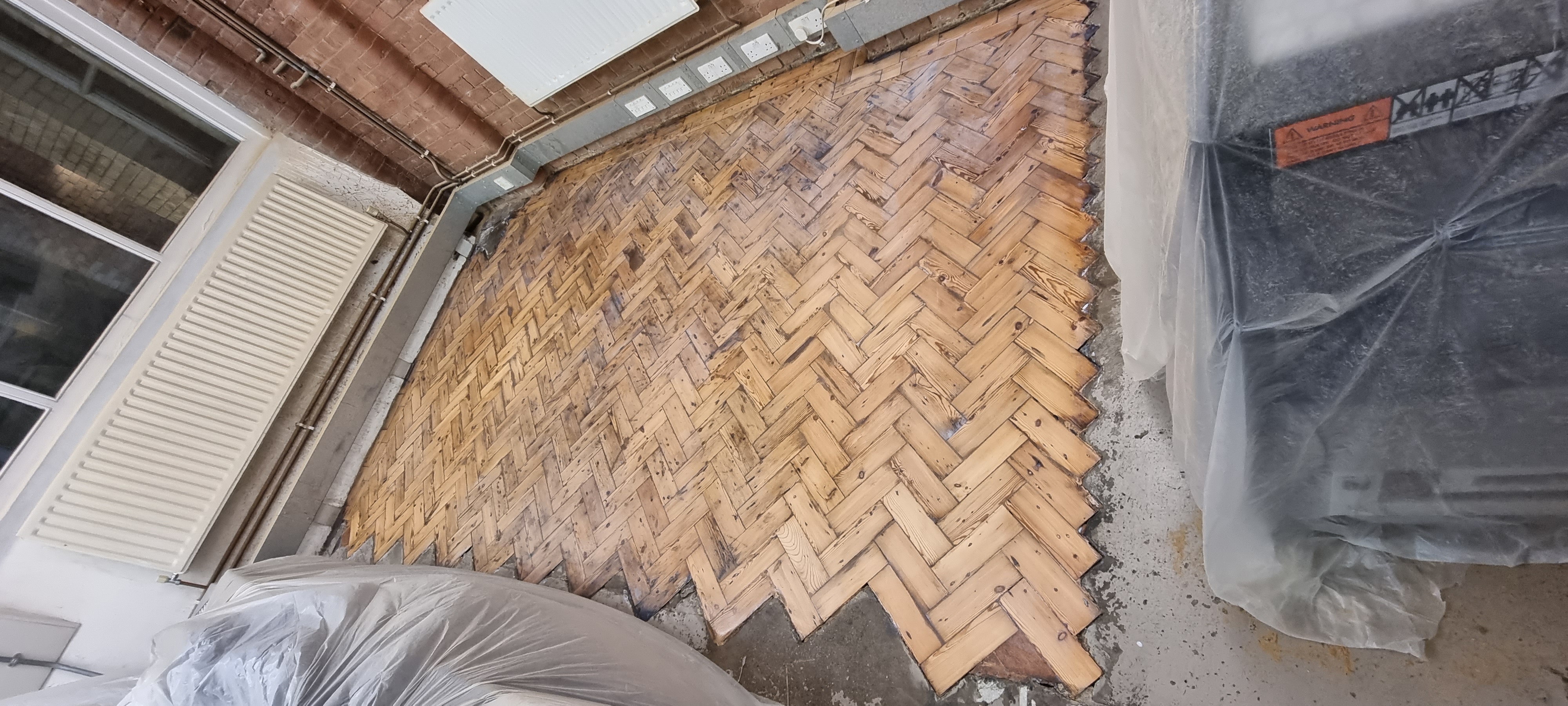
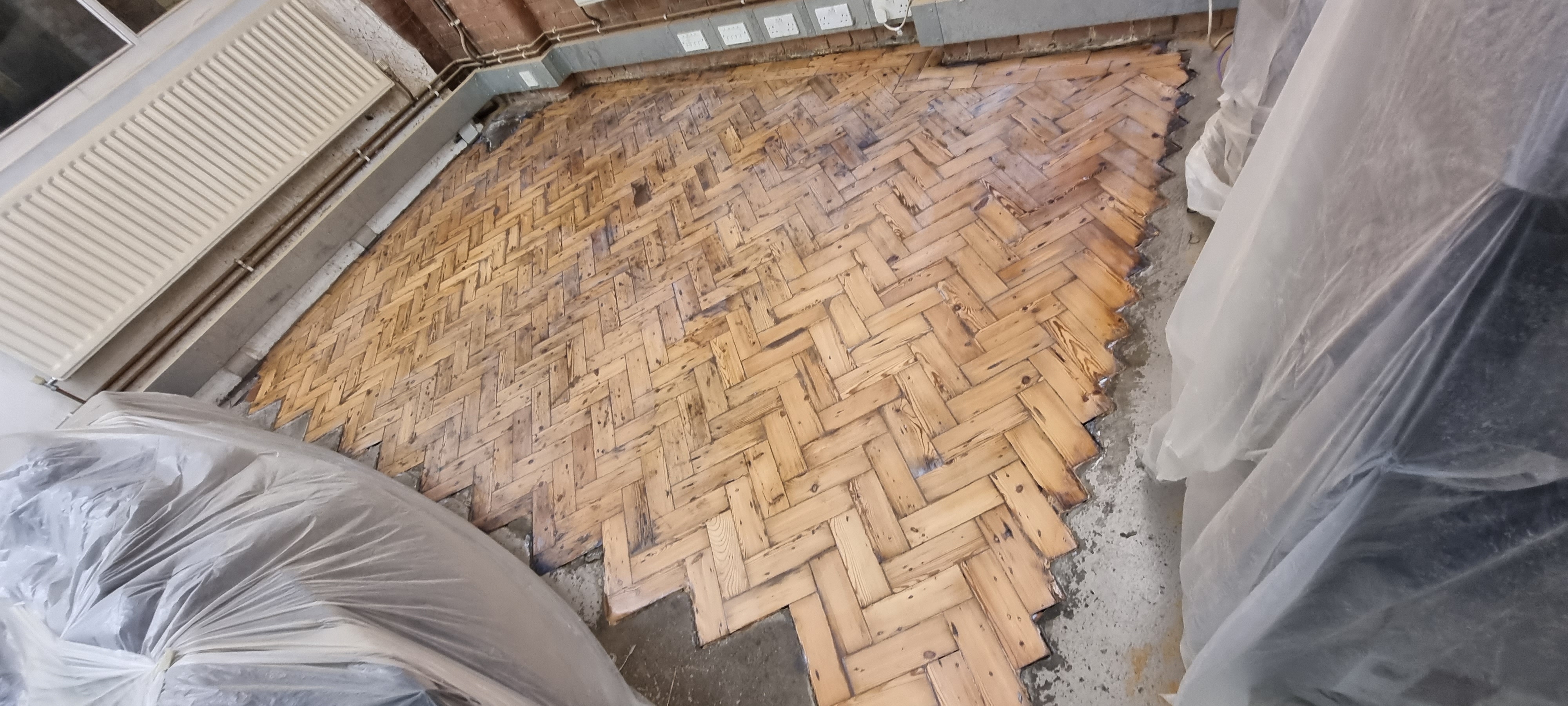
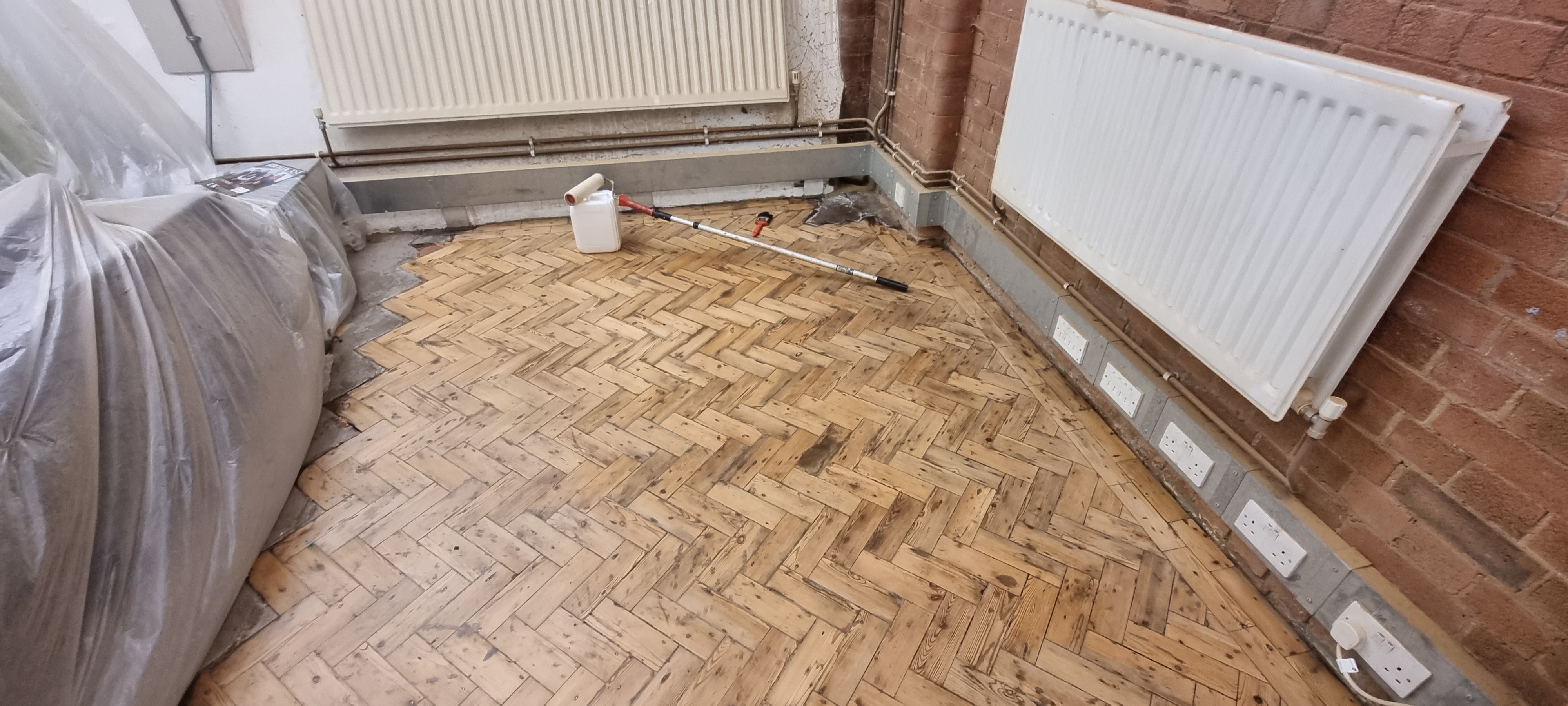
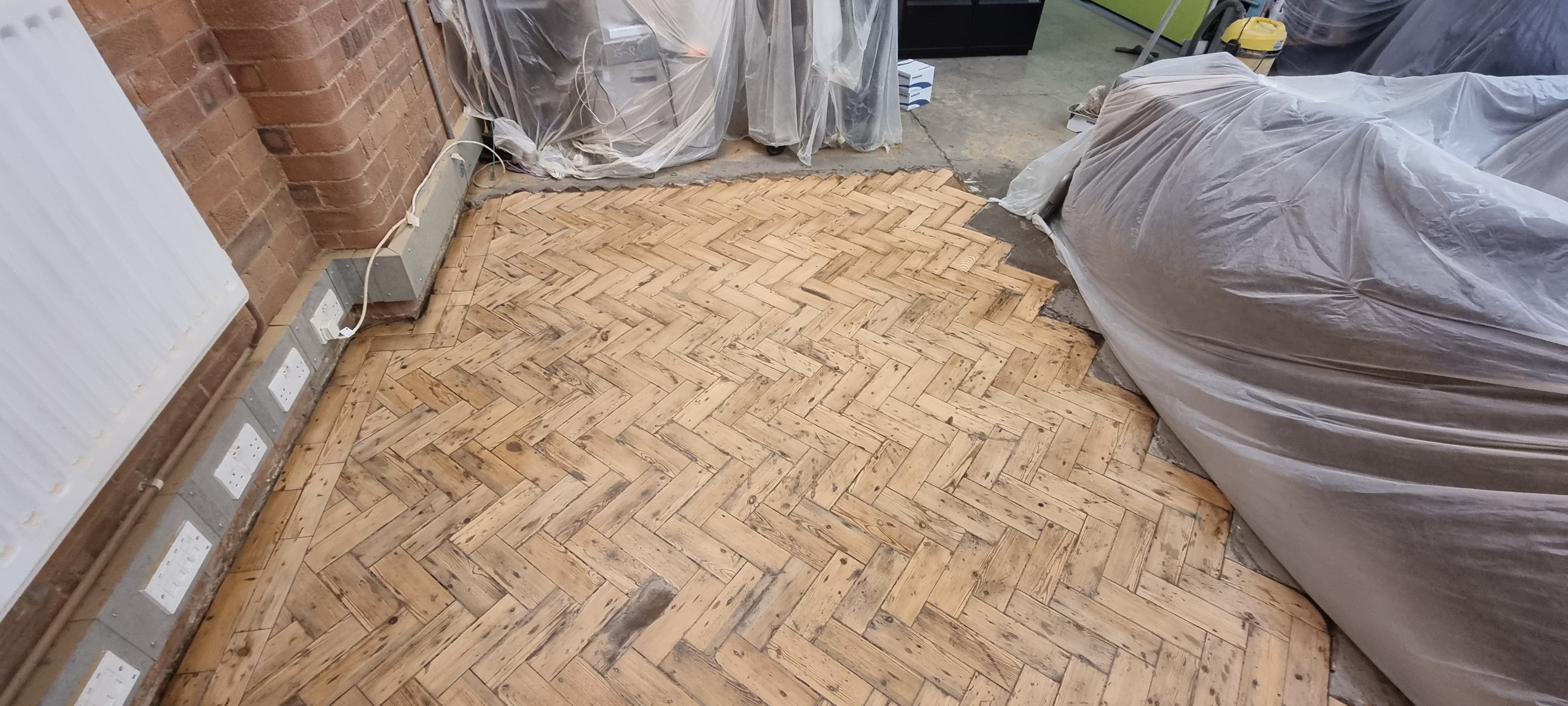
Floor Sanding in Islington
We recently completed a comprehensive floor sanding project in a Victorian terrace in Islington, restoring three rooms of original hardwood flooring that had been hidden beneath carpet for decades. The client wanted to reveal the character of the original floors while maintaining the integrity of the period property. Our team removed the existing carpet, sanded the boards back to bare wood, and applied a hard-wearing finish that would stand up to daily use.
Work carried out
- Removal of existing carpet and underlay
- Sanding of original hardwood flooring using industrial equipment
- Dust containment throughout the process
- Gap filling and timber repairs where boards had been damaged
- Application of two coats of satin polyurethane
- Final inspection and hand-finishing of edges
About the project
The property was a typical Islington Victorian with original pine and oak boards that had survived a century of use. The main challenge was that the previous owners had driven nails through the floorboards in several places to secure the carpet gripper strips, leaving small holes and some minor surface damage that needed careful attention. We assessed each section of flooring before starting work and identified areas requiring board replacement rather than filling, ensuring the final result would be durable and authentic to the period.
Our approach combined traditional sanding techniques with modern dust control. We used a drum sander for the main floor areas, an edge sander for the perimeter of each room, and a detail sander for corners and awkward spaces. The entire process took five working days, split across two weeks to allow proper drying time between coats. We contained dust using temporary barriers and negative pressure ventilation, keeping the rest of the property clean throughout the work.
About our Islington service
Islington contains a particularly dense collection of period properties, ranging from Victorian and Edwardian terraces to converted Georgian townhouses. Many of these buildings have original timber floors that have been covered with carpet or vinyl, often for practical reasons but at the cost of the character these floors bring to a room. We regularly work on properties across the borough, from the conservation areas around Canonbury to the more mixed neighbourhoods towards the Angel. Floor types vary considerably, with pine being common in servants' areas and hallways, while reception rooms often feature superior oak or ash boarding.
New build properties in Islington are less common but do exist, typically converted from former industrial or commercial buildings. These often come with engineered hardwood or laminate rather than solid timber, requiring different sanding techniques and finishes. Whether working on original Victorian boards or contemporary engineered flooring, we adapt our methods to suit the material and the client's requirements. The character of Islington properties, combined with often tight access and neighbouring properties in terraced rows, means we plan each job carefully to minimise disruption and deliver results that enhance rather than compromise the building's original design.
Frequently asked questions
How much does floor sanding cost?
Sanding typically costs between £25 and £45 per square metre, depending on the condition of the boards, whether they need repairs, and the finish you choose. Original hardwoods usually cost more than engineered boards due to the time required for preparation and the cost of matching stains. We provide a written quote after inspecting the floor in person.
How long does sanding take?
Most residential jobs take between three and seven working days depending on room size and floor condition. Drying time between coats adds a further one to two weeks before the floor is fully ready for use. We schedule projects in phases to minimise disruption to your home.
Is the sanding process dusty?
Modern floor sanding equipment with dust extraction systems removes the majority of dust as it's created, though some fine particles will settle. We use temporary barriers between work areas and the rest of your property, along with HEPA filtered vacuums and air purifiers. We still recommend moving out temporarily if you have respiratory sensitivities or young children.
Project Gallery