Monday - Friday 07:30 - 17:30, Saturday 07:30 - 16:00
Parquet Floor Sanding in Highbury
Back to Portfolio
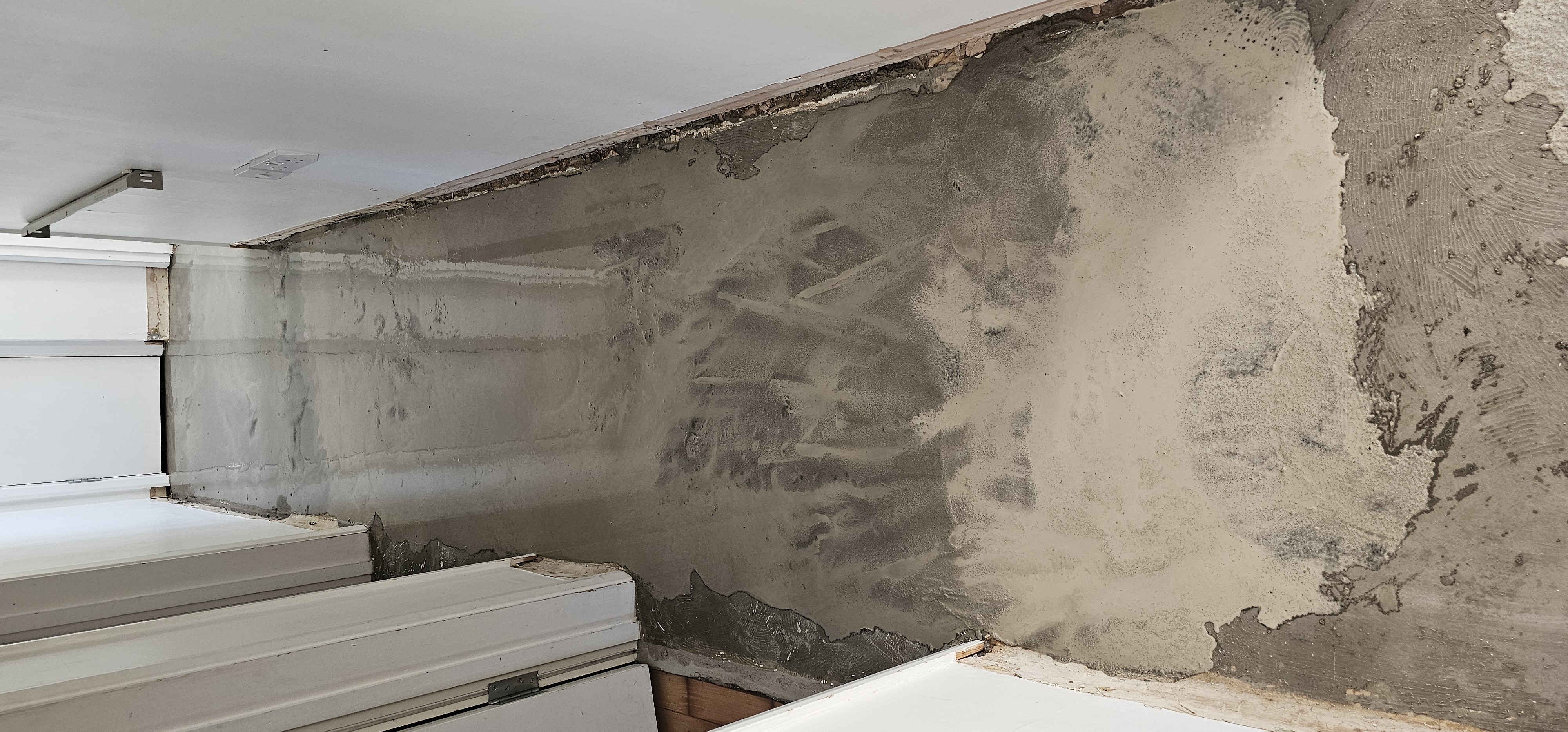
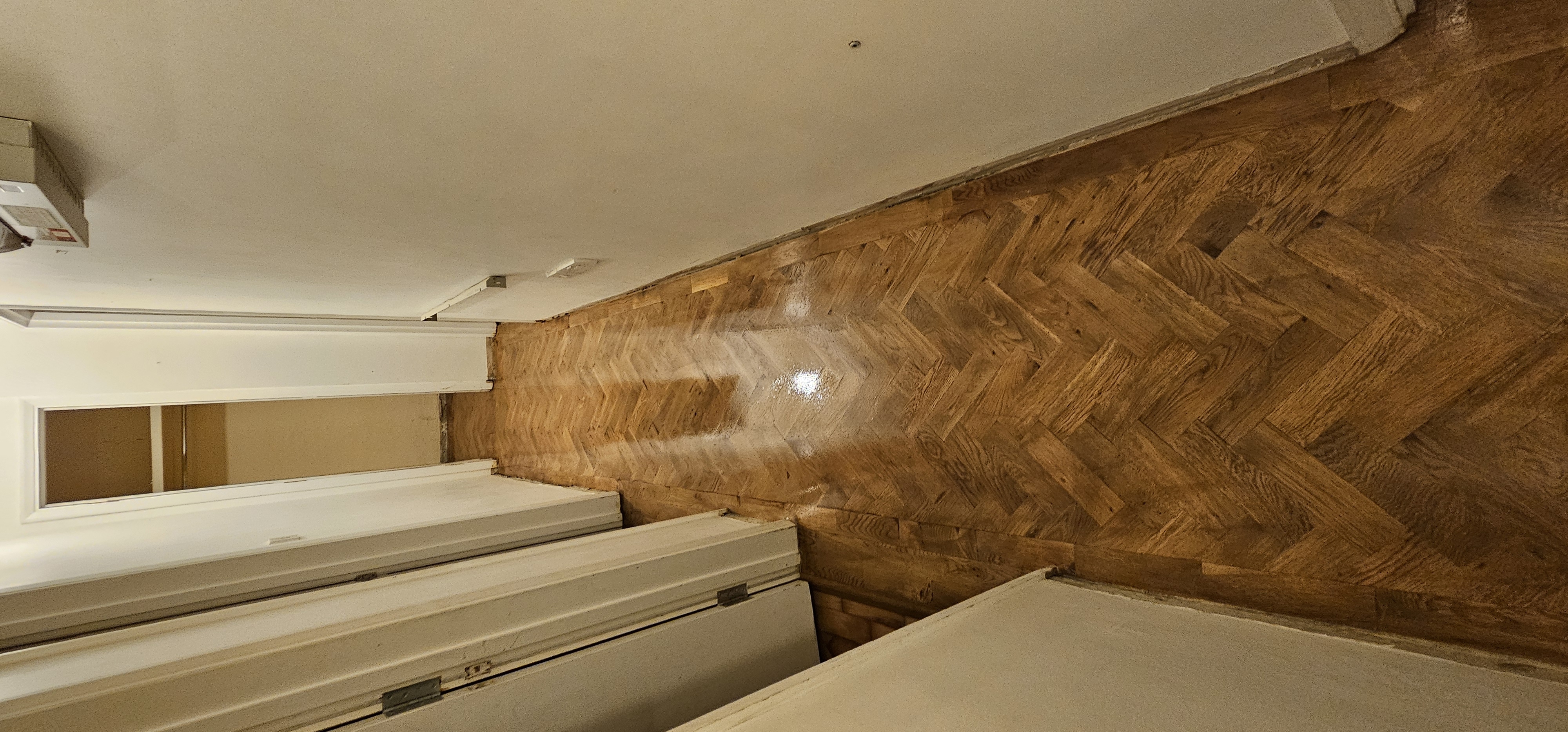
Parquet Floor Sanding in Highbury
We recently completed a full sanding project on an original Victorian parquet floor in Highbury, returning the worn surface to its natural finish. The property had suffered decades of scuff marks, surface staining and patchy varnish, obscuring the quality of the timber beneath. Our team stripped back to bare wood and applied a hard-wearing finish that will protect the floor for years to come.
Work carried out
- Three-stage sanding process using progressively finer grit papers
- Edge sanding along skirting boards and in alcoves
- Dust containment using portable extraction equipment
- Two coats of matte polyurethane varnish
- Final inspection and touch-ups where necessary
About the project
The floor was original to the 1890s building, laid in a traditional herringbone pattern with solid oak blocks. What made this job interesting was the inconsistent wear across the surface. Heavy traffic routes, particularly from the hallway into the living room, had worn through the varnish and into the timber itself. In other areas, old carpet adhesive had left stubborn marks that required careful scraping before sanding could begin. The floorboards also sat at slightly different heights in places, a common issue in Victorian properties where timber has moved and settled over time.
We took a cautious approach to the first sanding pass, using a 40-grit paper at moderate speed to avoid catching the raised edges between blocks. This meant the job took longer than on a flat modern floor, but it prevented the gouging that can happen if you rush this stage. The subsequent passes with 80-grit and 120-grit paper were quicker, evening out the surface and preparing it properly for finishing. The client was present for the colour selection of the varnish and chose a matte finish to match the period character of the house.
About our Highbury service
Highbury is a neighbourhood where we do considerable work, largely because the housing stock combines period appeal with genuine timber floors. Most properties date from the Victorian and Edwardian eras, when solid wood parquet and block floors were the standard. These floors are a genuine asset when maintained properly, but they require more care during restoration than the smooth hardwood planks you find in newer properties. The plaster walls, uneven joists and variable timber movement in these older buildings all affect how a floor responds to sanding and finishing.
We also service newer properties in the area, where engineered wood and laminate are more common. Sanding on engineered floors demands a lighter touch, as the veneer is thin and you risk exposing the core material if you go too deep. Laminate cannot be sanded at all, though we can advise on refinishing options. The mix of property types in Highbury means we regularly adapt our approach depending on what's beneath our machines.
Frequently asked questions
How much does parquet floor sanding cost?
Sanding costs typically range from £25 to £45 per square metre depending on the condition of the floor, the timber type and the finish required. Badly damaged floors or those with adhesive residue cost more because of the extra labour in preparation. A 30 square metre room would fall roughly between £750 and £1,350 for sanding alone, plus finishing costs.
How long does the sanding process take?
A straightforward project on a single room usually takes two to three days from start to finish, including the sanding itself and final varnishing. Victorian parquet with uneven surfaces may need an extra day. You should allow at least 48 hours after finishing before replacing furniture, and the floor reaches full hardness after about a week of normal foot traffic.
Is the dust-free process really dust-free?
Our dust extraction equipment captures over 95 percent of airborne particles, which is substantially cleaner than sanding without extraction. However, some fine dust is inevitable and will settle on surfaces in adjacent rooms. We seal doorways with plastic sheeting and recommend moving loose items from the work area before we begin. The extraction system makes a real difference to air quality and cleaning time afterwards.
Project Gallery